
04 Jan
0 Comment(s)
30530 View(s)
Elevator prices vary depending on the purpose of use, carrying capacity, technical specifications and materials used in production. Today, freight elevators, vehicle elevators, parking lifts and other hydraulic lifting systems are widely used in many different sectors. So, what are the main factors that determine elevator prices? Below you can find detailed information about elevator types and prices.
Elevator prices vary depending on the usage area, capacity and technical specifications. You can make a long-lasting and safe investment by choosing the model that best suits your needs among different options such as load platforms, hydraulic lifting systems, scissor and column elevators. There are many options such as indoor passenger elevators, disabled elevators, panoramic elevators and service elevators. It is of great importance to get expert support and work with professional companies for the right choice.
Frequently Asked Questions (FAQ)
Elevator Types and Usage Areas
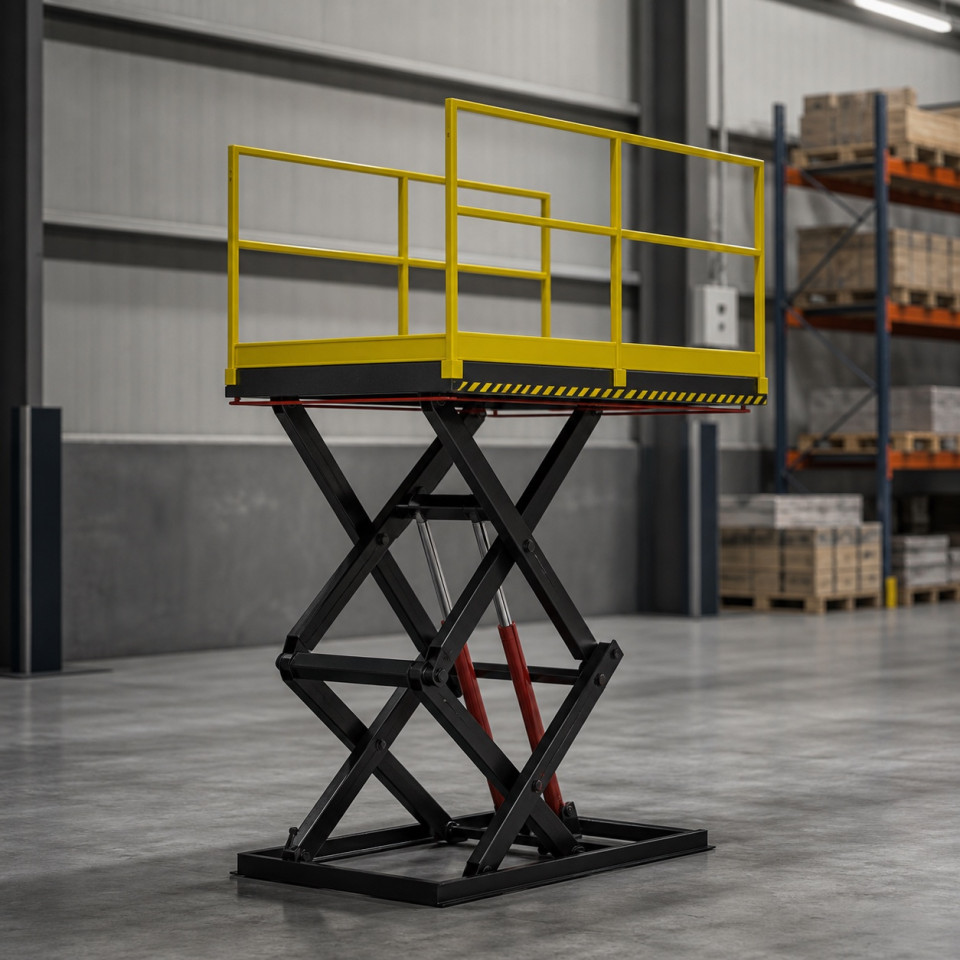
- Freight Elevators: Freight elevators used to transport heavy loads in factories, warehouses, shopping malls and logistics facilities are divided into two: scissor and column systems. Scissor lift: It has a high carrying capacity and can be integrated into the ground. Column freight elevator: It is preferred in areas that require higher height.
- Vehicle Elevators: These are elevators used to transport vehicles in parking lots, car dealerships and industrial facilities. Scissor car lift: Thanks to its compact design, it is suitable for use in narrow spaces. Column car elevator: Meets the need to transport vehicles in higher buildings.
- Car Parking Lifts: These are systems used to increase vehicle capacity in multi-storey car parks. It is generally used in small and large-scale parking projects.
- Hydraulic Lifting Platforms: They are widely used systems in in-factory transportation, production facilities and logistics centers. The load platform is designed to carry heavy loads to certain floors.
- Indoor Passenger Elevators: These are elevators used to transport people in residences, commercial buildings and offices. There are different models with and without engine room. Elevator with machine room: It has a traditional motor system and offers high carrying capacity. Elevator without machine room: Takes up less space and provides energy efficiency.
- Panoramic Elevators: These are aesthetically transparent glass cabin elevators used in shopping malls, hotels and luxury housing projects. While it generally has a decorative purpose, it also has a high carrying capacity.
- Disabled Elevators: Specially designed for individuals who cannot climb stairs, these elevators increase accessibility in buildings. It is produced with a platform or a cabin.
- Service Elevators (Dumbwaiter): These are small elevator systems used in hotels, restaurants and hospitals, designed to carry food, medicine or small loads.
How to Determine 2026 Elevator Prices
- Carrying Capacity: As the carrying capacity of elevators increases, elevator prices also increase in direct proportion. There are models with capacities ranging from 500 kg to 10,000 kg.
- Height and Number of Floors: Elevators that serve more floors and have high lifting capacity are among the factors that increase the cost.
- Material and Technology Used: Materials such as stainless steel, aluminum or special coatings increase the durability of the elevator and also increase its price. There is also a cost difference between hydraulic and electrical systems.
- Special Design and Project Planning: Elevators produced for special projects other than standard sizes may vary in price as they require more engineering and materials.
- Security Systems: Additional security features such as emergency braking systems, automatic locking mechanisms, platform security sensors directly affect the cost.
How Much Are Elevator Prices?
Elevator prices vary depending on the model, carrying capacity and technical specifications. Average price ranges are as follows:| Elevator Type | Carrying Capacity | Average Price Range (TL) |
|---|---|---|
| Freight Elevators | 500 kg - 10,000 kg | 150,000 - 1,000,000 |
| Vehicle Lifts | 2,000 kg - 5,000 kg | 200,000 - 1,500,000 |
| Car Park Lifts | 1,500 kg - 4,000 kg | 100,000 - 750,000 |
| Hydraulic Lifting Platforms | 500 kg - 5,000 kg | 50,000 - 500,000 |
| Indoor Passenger Elevators | 4 people - 20 people | 300,000 - 2,000,000 |
| Panoramic Elevators | 4 people - 16 people | 400,000 - 2,500,000 |
| Disabled Elevators | 250 kg - 500 kg | 150,000 - 700,000 |
| Service Elevators | 50 kg - 300 kg | 50,000 - 300,000 |
Elevator prices vary depending on the usage area, capacity and technical specifications. You can make a long-lasting and safe investment by choosing the model that best suits your needs among different options such as load platforms, hydraulic lifting systems, scissor and column elevators. There are many options such as indoor passenger elevators, disabled elevators, panoramic elevators and service elevators. It is of great importance to get expert support and work with professional companies for the right choice.
Frequently Asked Questions (FAQ)
- How are freight elevator prices determined? Freight elevator prices vary depending on carrying capacity, floor height, materials used and security systems.
- Which is the most cost-effective type of elevator? Generally, service elevators and small freight platforms are more affordable. However, in the long run, energy consumption is also a cost factor.
- How long does it take to install an elevator? Installation of a standard freight or passenger elevator usually takes between 2 and 4 weeks. This period may be longer for special projects.